
Charging Procedures & Protocols
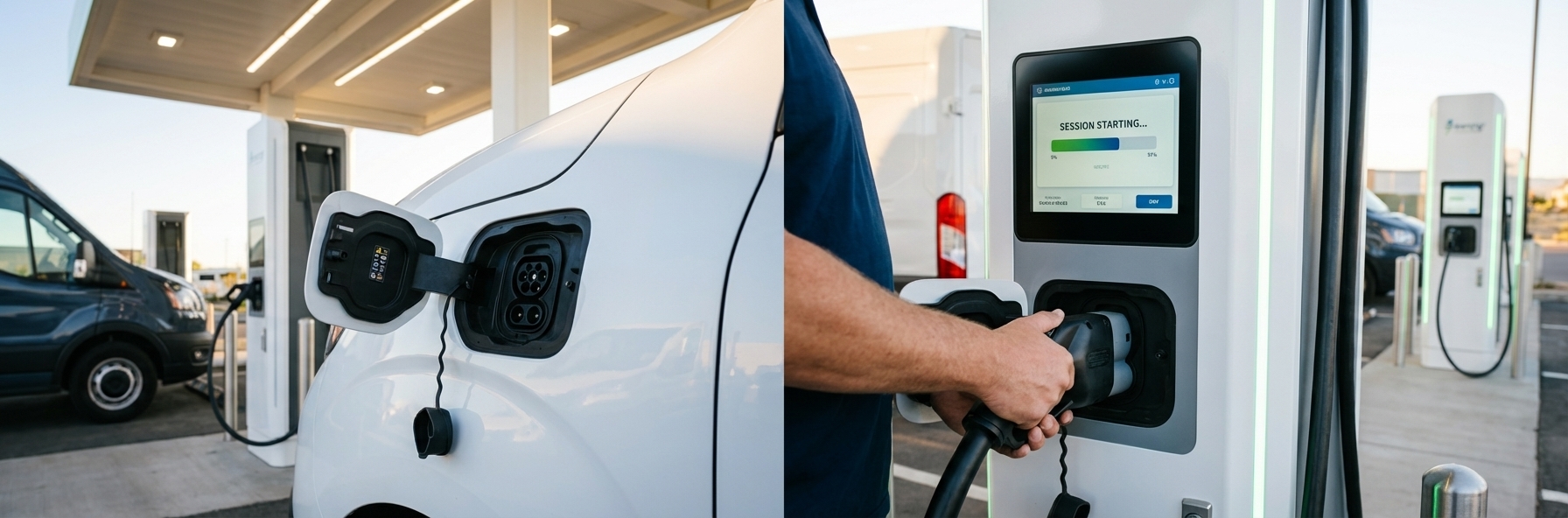
Fleet Vehicle Charging
Efficient charging management is critical for fleet operations. This lesson covers charging procedures, scheduling, and best practices.
Charging Types for Fleet Vehicles
- Depot charging (Level 2): Overnight charging at fleet base — most cost-effective. AMPS fleet vehicles should charge overnight at the depot using Level 2 EVSE on scheduled off-peak rates.
- Opportunity charging (DCFC): Fast charging during route breaks for range extension on longer days. Use DCFC at AMPS public stations or along route corridors.
- En-route charging: Planning charging stops on routes that exceed depot range. Use AFDC Station Locator to identify public DCFC along I-40 and US-95 corridors near Fort Mojave.
The 20–80% SoC Rule
Maintain battery state of charge between 20% and 80% for daily operations. Charging lithium-ion batteries above 80% or allowing them to drop below 20% repeatedly accelerates degradation. Most AMPS fleet vehicles will not need above 80% for typical daily routes.
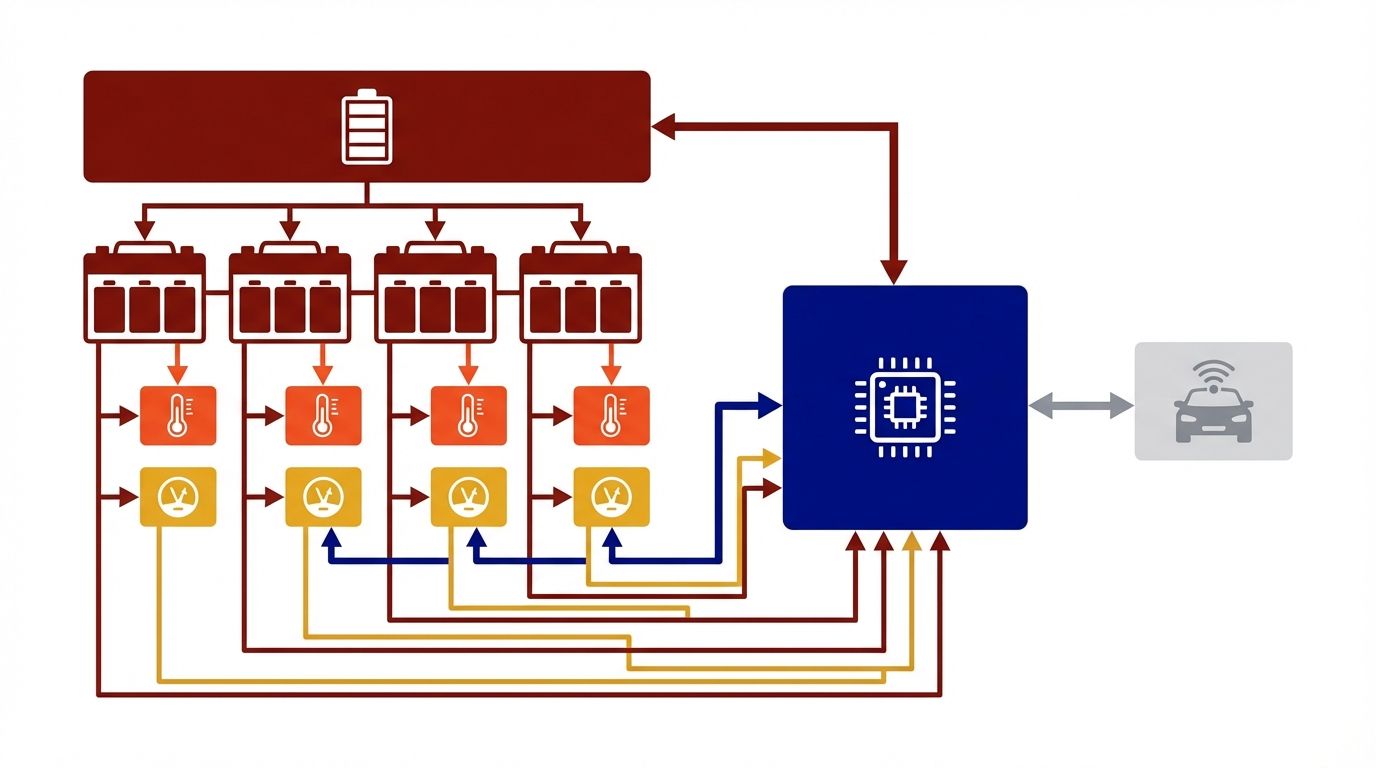
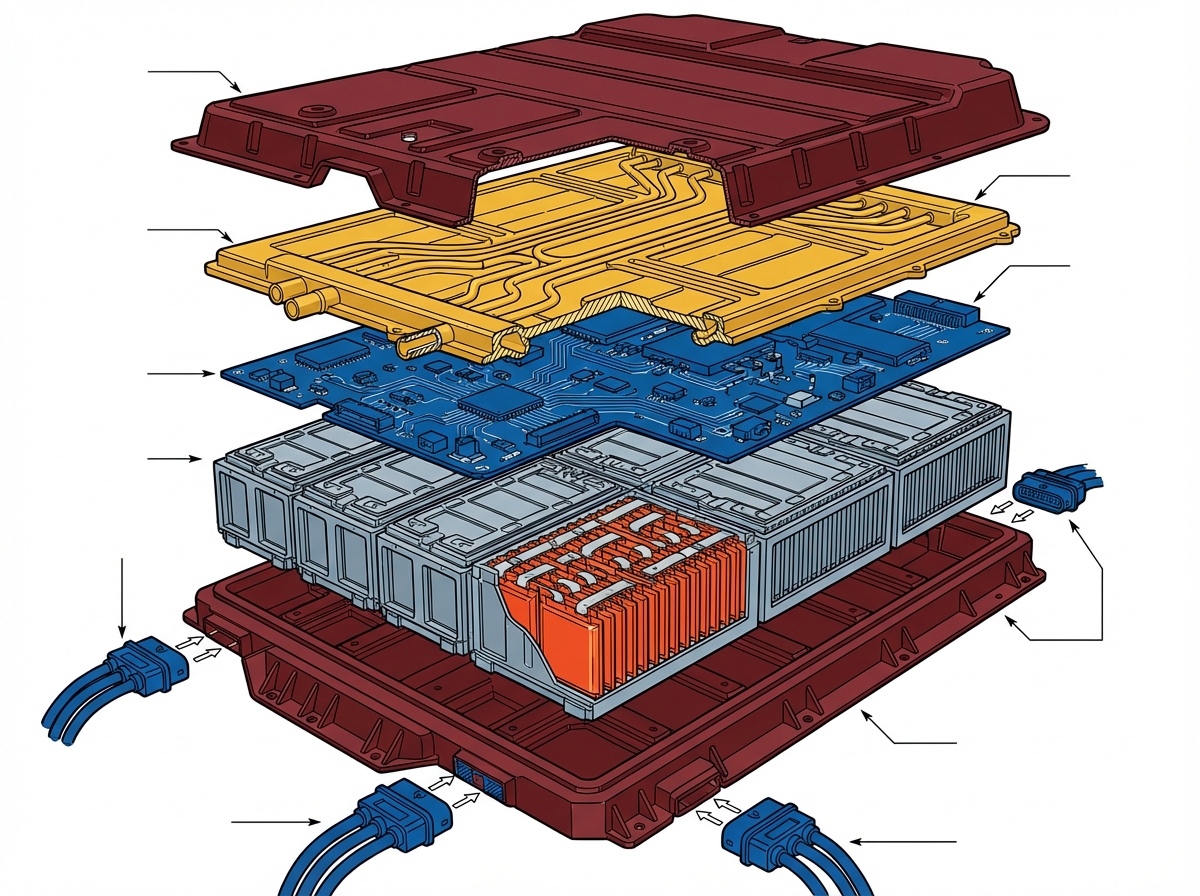
Battery Management System (BMS): Modern EVs have a built-in BMS that protects the battery automatically. On most fleet vehicles, you can set a "charge limit" in the vehicle's app or touchscreen to stop charging at 80% by default. Enable this feature on all AMPS fleet vehicles. The BMS also monitors cell temperature and will slow charging if the battery overheats — common during Mojave summer DCFC sessions.
Time-of-Use Rate Optimization
AHA-MACAV Power Service (AMPS's utility) offers time-of-use (TOU) rates. Off-peak hours (typically 9 PM–6 AM) have significantly lower electricity rates than peak hours. Scheduling fleet vehicles to charge overnight during off-peak hours can reduce charging costs by 30–50% compared to daytime charging. Configure the AMPS fleet management system to schedule all depot charging for off-peak windows.