
Charging Station Design & Specifications
EV Charging Station Design
This lesson covers the technical specifications and design principles for EV charging installations.
Charging Levels
- Level 1 (120V AC): 1.4–1.9 kW — overnight home charging; minimal infrastructure. Suitable for low-daily-mileage fleet vehicles parked overnight at employee residences.
- Level 2 (240V AC): 3.3–19.2 kW — workplace, destination, and fleet depot charging. The right choice for most AMPS tribal facility installations.
- DC Fast Charging (480V+ DC): 50–350+ kW — highway corridors, high-utilization sites, and fleet operations requiring rapid turnaround. Note: Some high-power DCFC systems operate above 480V DC; CCS can exceed 1,000V DC at maximum power levels.
Connector Standards
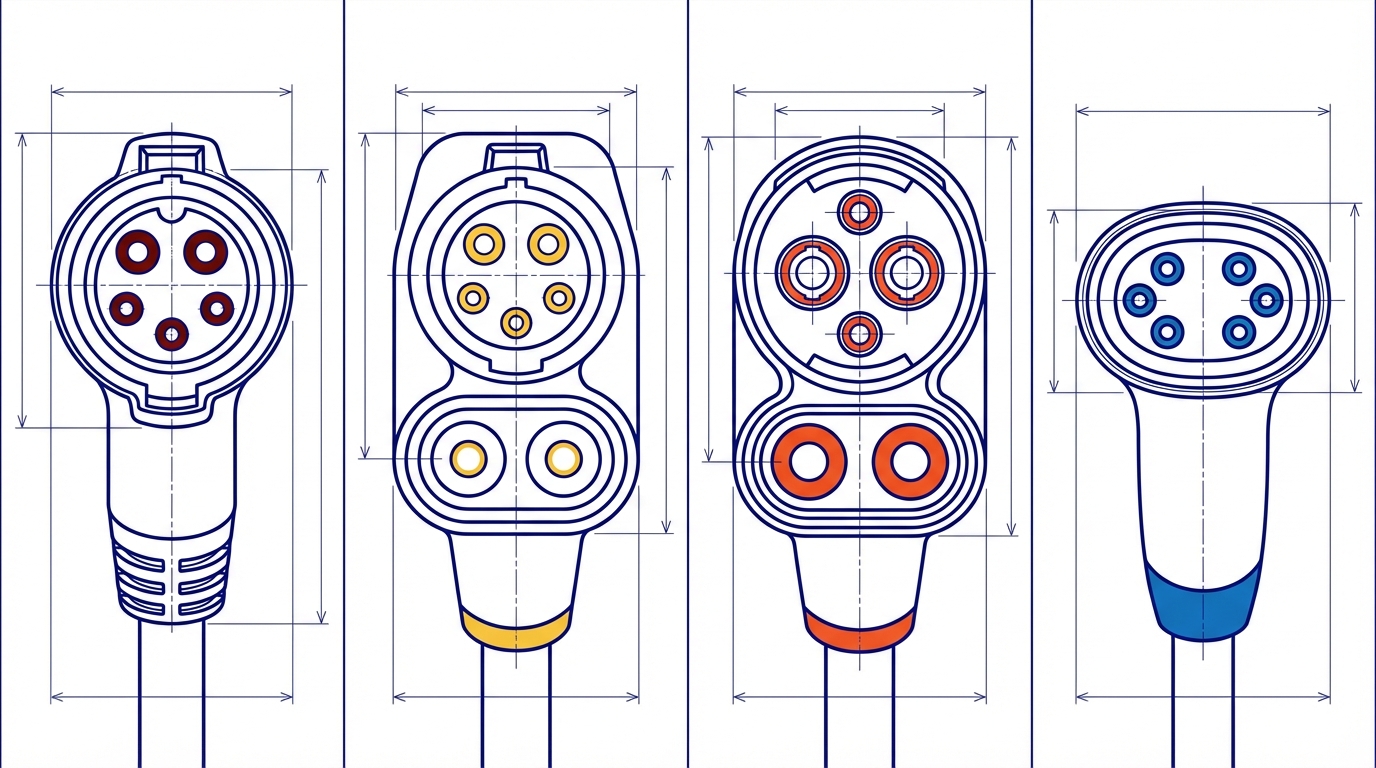
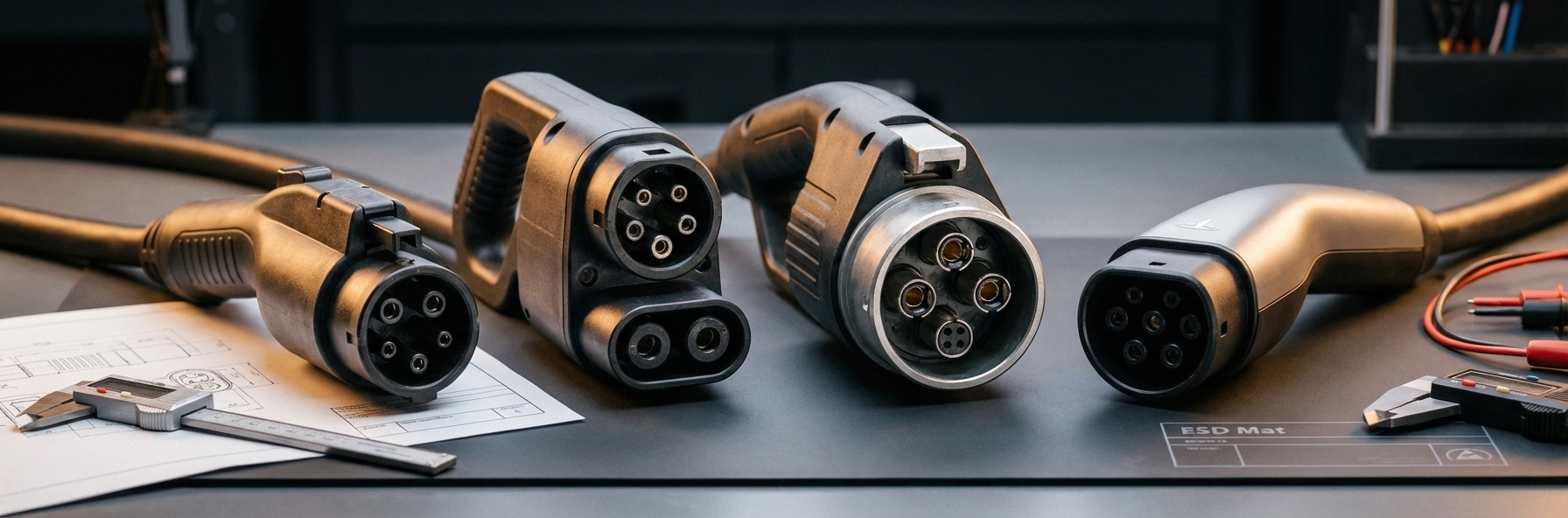
- SAE J1772: Standard Level 1/2 AC connector. All non-Tesla EVs in North America use this for AC charging.
- CCS Combo (Combined Charging System): Adds DC fast charging pins to the J1772 handle. The dominant DC fast charging standard for most EVs in North America.
- SAE J3400 / NACS (North American Charging Standard): SAE formally standardized the Tesla connector as J3400 in 2023. Major automakers (Ford, GM, Rivian, Honda, Nissan, and others) have adopted J3400/NACS for 2025+ model years. New EVSE should support both CCS and J3400/NACS via dual-port design or multi-standard connectors.
- CHAdeMO: Legacy DC fast charging connector, primarily used by Nissan Leaf (older generations) and Mitsubishi. Phasing out in North America — new installations should not prioritize CHAdeMO.
Electrical Design
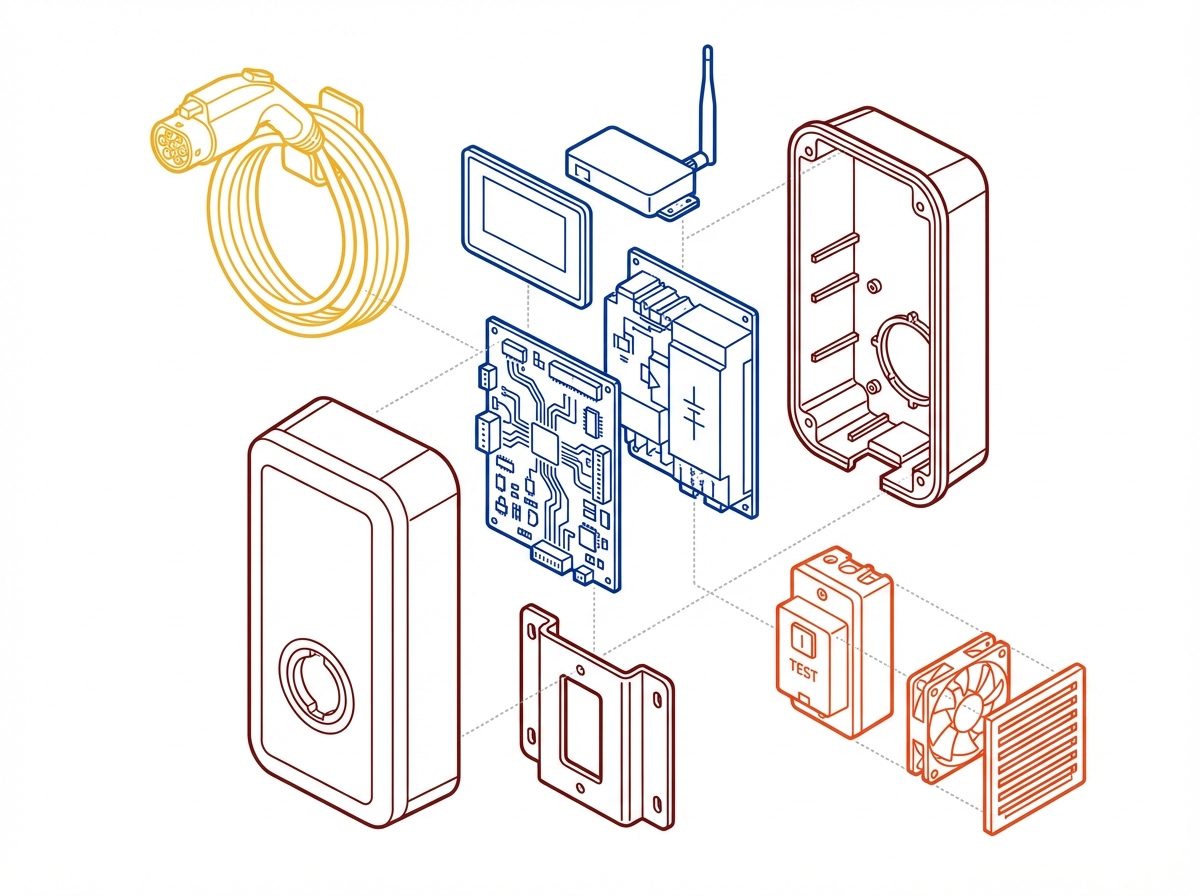
NEC Article 625 governs EVSE installation requirements. Key design elements:
- Branch circuit sizing: NEC 625.22 requires circuits sized at 125% of continuous EVSE load
- GFCI protection: NEC 625.54 requires GFCI at outdoor locations and garages
- Grounding and bonding: EVSE enclosure and conduit must be properly bonded
- Load management: Multiple EVSE on a shared service may require dynamic load balancing systems
Tribal Land Design Considerations
On Fort Mojave tribal land, additional design factors apply:
- Shade canopies: Required for equipment protection and user comfort in Mojave temperatures (110°F+ summers).
- Conduit sizing: Install conduit 25–50% oversized for future capacity additions without trenching.
- Security: Consider cable anti-theft locks and vandal-resistant enclosures appropriate for tribal community sites.
- Signage: Tribal language inclusion on EV charging signage supports community adoption.
Charging Level Selection Guide by Use Case
Employee/residential overnight: Level 1 (120V) is sufficient for vehicles driven less than 40 miles/day. Zero infrastructure cost beyond a dedicated outlet.
Tribal facility/workplace: Level 2 (7.2–19.2 kW) is the standard. Vehicles charge in 4–8 hours, perfect for workday or overnight depot use. This is the primary AMPS installation type.
Public highway corridor: DCFC (50–150 kW) for through-traffic. Higher infrastructure cost but necessary for corridor coverage. Requires 3-phase power and significant electrical service.
Fleet rapid turnaround: DCFC (50–350 kW) for vehicles that need midday top-ups between routes. Cost-effective only at high utilization sites.